Active exposure
Report open areas or water entry promptly and ask what limited stabilization is appropriate.
The hours after a storm can feel urgent, but personal safety comes first. Homeowners can create a useful initial record without climbing onto the roof. Dates, wide property views, interior symptoms, visible debris, and changed exterior conditions give the contractor a better starting point. The record should describe what is visible without guessing about cause, coverage, or the final repair scope.
Use ground-level and interior observations to preserve timing and context before cleanup changes the scene.
Call: 980-540-4816
Email: rrc@renegaderoofing.net
Weather protection may be necessary before a complete repair scope is known.
Report open areas or water entry promptly and ask what limited stabilization is appropriate.
Document the condition before temporary work and the protection after it is installed.
Temporary work should state what area it covers and that permanent repairs require a separate review.
Keep dates, invoices, messages, and names connected to temporary work and property access.
Construction documentation and insurance coverage are related conversations, but they are not the same decision.
Call: 980-540-4816
Email: rrc@renegaderoofing.net
Open the related service pages for property signals, assessment details, written-scope decisions, construction considerations, and focused FAQs.
Request an Estimate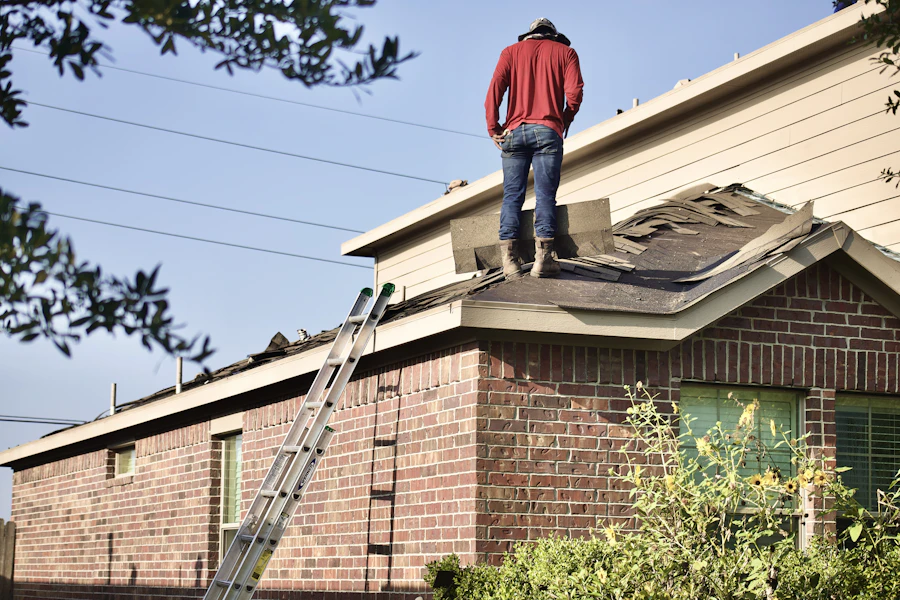
Post-storm inspection, photo documentation, scope review, and coordinated exterior restoration.
Explore Storm Damage Restoration
Targeted repair planning for leaks, flashing, storm impact, and isolated roof-system issues.
Explore Roof Repair
Inspection-led roofing support for repairs, replacements, and material decisions.
Explore Residential RoofingClear answers help homeowners decide what to do next without guessing about the process.