Leak-path review
Look beyond the interior symptom to likely entry points, transitions, flashing, and penetrations.
A useful repair visit identifies the likely source, the affected assembly, and the limits of a targeted fix. Renegade serves homeowners across Greater Charlotte with inspection-led recommendations, written project boundaries, and a direct explanation of the next practical step.
A roof repair should connect an observed symptom to a reasonable source and a clearly defined repair boundary. Water can travel along decking, framing, fasteners, and insulation before it becomes visible indoors, so the stain is not always directly below the entry point. Good repair planning documents what was reviewed, what is being corrected, and what remains outside the scope.
Call: 980-540-4816
Email: rrc@renegaderoofing.net
A useful site visit connects the visible condition to the surrounding assembly, practical repairability, and the information needed for a written recommendation.
Look beyond the interior symptom to likely entry points, transitions, flashing, and penetrations.
Define what can be repaired locally and when the surrounding roof condition changes the recommendation.
Record visible conditions so the homeowner can understand why a repair is being proposed.
Explain expected timing, access, weather considerations, and what to monitor after the repair.
The recommendation becomes actionable when the contractor and homeowner agree on the project boundary, supporting details, assumptions, and expected result. Likely source: Explain the observed evidence and the most reasonable leak path while acknowledging any area that cannot be confirmed without opening the assembly. Materials to disturb: Identify surrounding shingles, panels, flashing, trim, or siding that may need removal and whether matching material is available. Limits of a targeted repair: State what the repair is intended to correct and what broader age, wear, or unrelated conditions remain outside the work. Monitoring after completion: Explain what the homeowner should watch, when follow-up may be useful, and how to report continued symptoms with dates and photos.
Call: 980-540-4816
Email: rrc@renegaderoofing.net
Exterior components meet at edges, walls, penetrations, openings, and drainage paths. These related pages explain where another service may affect the sequence or finished detail.
Request an Estimate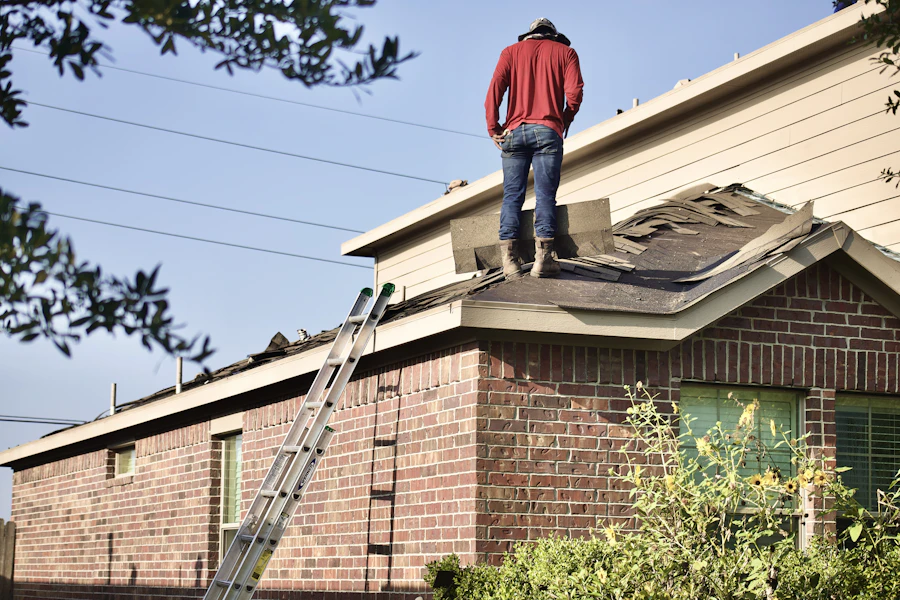
Inspection-led roofing support for repairs, replacements, and material decisions.
Explore Residential Roofing
Full roof replacement with a written scope, material choices, scheduling, and cleanup expectations.
Explore Roof Replacement
Post-storm inspection, photo documentation, scope review, and coordinated exterior restoration.
Explore Storm Damage Restoration
Gutter and downspout planning around roof drainage, discharge, fascia conditions, and exterior finish.
Explore GuttersUse these guides to prepare questions, compare scope language, and organize the property information that supports a better decision.
Request an EstimateUse this homeowner guide to review project boundaries, materials, flashing, access, protection, cleanup, changes, and closeout before exterior work begins.
Read GuideUnderstand how roof area, valleys, gutter slope, outlets, downspouts, fascia, drip edge, and discharge points work together to manage rainwater.
Read GuideClear answers help homeowners decide what to do next without guessing about the process.