Condition review
Review visible wear, active concerns, roof geometry, and the areas that need closer attention.
A residential roof project should begin with the condition of the system, not a preset sales package. Renegade serves homeowners across Greater Charlotte with inspection-led recommendations, written project boundaries, and a direct explanation of the next practical step.
A residential roof is a connected weather-control system. Shingles or panels are only the visible layer; underlayment, flashing, ventilation, penetrations, edges, and drainage all influence how the assembly performs. A useful assessment explains the condition of those parts, identifies the limits of what can be seen, and separates maintenance, targeted repair, and replacement decisions before a homeowner commits to a scope.
Call: 980-540-4816
Email: rrc@renegaderoofing.net
A useful site visit connects the visible condition to the surrounding assembly, practical repairability, and the information needed for a written recommendation.
Review visible wear, active concerns, roof geometry, and the areas that need closer attention.
Separate targeted repair options from full replacement needs so the scope matches the property.
Compare practical material choices, ventilation details, accessories, and visible finish expectations.
Confirm cleanup, final details, and the documentation the homeowner should retain.
The recommendation becomes actionable when the contractor and homeowner agree on the project boundary, supporting details, assumptions, and expected result. Repair boundary: Define the exact roof area and components included in a targeted repair, along with the surrounding conditions that could limit its useful life. System compatibility: Confirm that underlayment, flashing, ventilation, accessories, and finish materials are compatible with the roof geometry and selected covering. Property protection: Plan access, staging, landscaping protection, occupied-space concerns, debris control, and daily cleanup before production starts. Closeout records: Keep the approved scope, selections, progress photos, change documentation, final review notes, and care information together for future reference.
Call: 980-540-4816
Email: rrc@renegaderoofing.net
Exterior components meet at edges, walls, penetrations, openings, and drainage paths. These related pages explain where another service may affect the sequence or finished detail.
Request an Estimate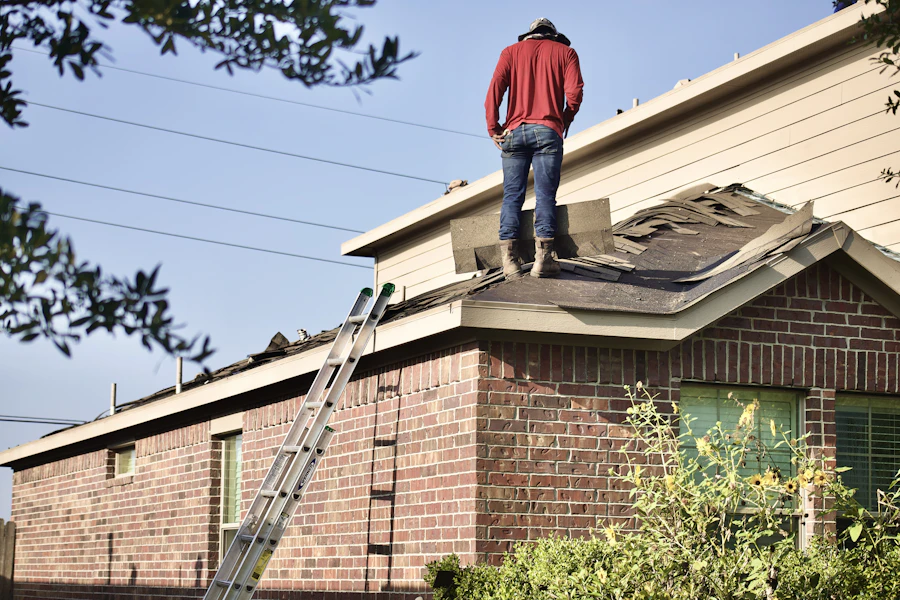
Targeted repair planning for leaks, flashing, storm impact, and isolated roof-system issues.
Explore Roof Repair
Full roof replacement with a written scope, material choices, scheduling, and cleanup expectations.
Explore Roof Replacement
Post-storm inspection, photo documentation, scope review, and coordinated exterior restoration.
Explore Storm Damage Restoration
Gutter and downspout planning around roof drainage, discharge, fascia conditions, and exterior finish.
Explore GuttersUse these guides to prepare questions, compare scope language, and organize the property information that supports a better decision.
Request an EstimateUnderstand how roof age, leak history, repairability, flashing, ventilation, and surrounding material condition shape a repair-or-replace recommendation.
Read GuideLearn what homeowners can document safely after wind or hail and how property photos, event timing, interior symptoms, and contractor notes support a clearer next step.
Read GuideClear answers help homeowners decide what to do next without guessing about the process.